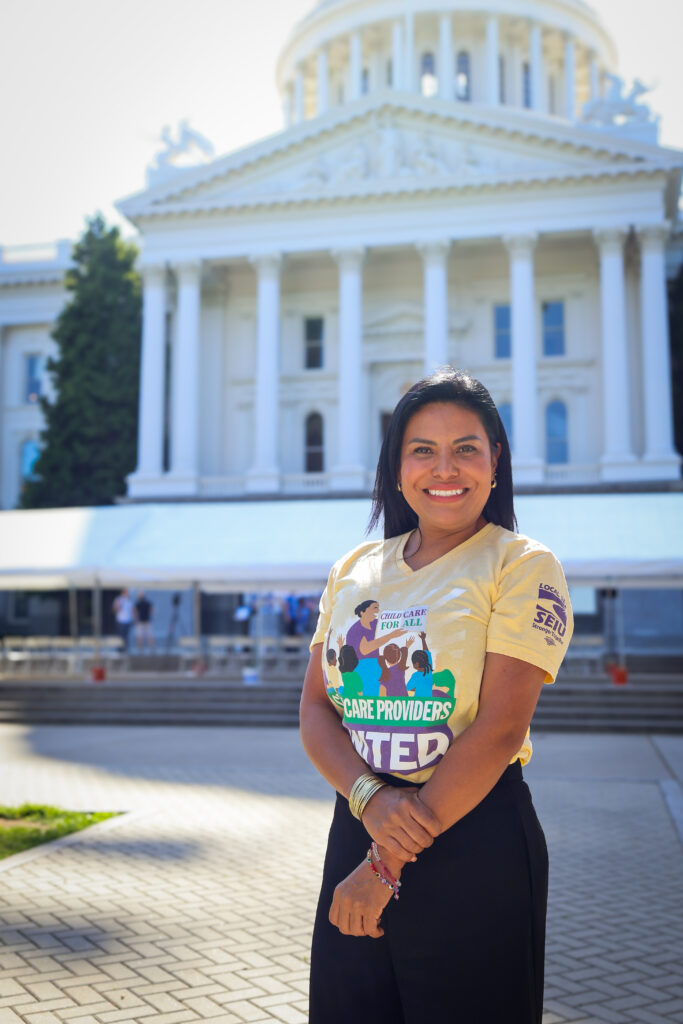
Roxana Flores has owned and operated Roxana’s Day Care in San Jose for 17 years. She is the proud mother of a daughter with special needs.
When my daughter needed speech therapy and specialized support, traditional preschool settings could not fully meet her needs. So I sought out educational opportunities, became a family child care provider, and opened my own program so I could give my daughter the support, flexibility, and individualized care she deserved while helping other families facing similar challenges.
For more than 17 years, I have provided affordable, specialized care to children and families in my community. While traditional preschool meets the needs of so many families in the state, tens of thousands family child care providers are there for the families who need extra support.
All children deserve access to high-quality care where their educational and developmental needs are met. But different children learn differently, and families need different kinds of care. Keeping child care affordable in California is critical to sustaining families, businesses, and the economy itself. But affordability cannot exist without access, and access requires investing in all forms of care.
Family child care settings offer the flexibility for therapy appointments, transportation support, smaller child-to-provider ratios, and individualized accommodations that many classrooms cannot provide. Not every parent can leave work during the day for appointments or early pickups. Losing access to flexible, relationship-based care can be devastating for working families.
Today, I proudly watch my daughter thrive as an independent and extraordinary university student. She is proof of what is possible when children receive equitable education, dedicated support, and opportunities tailored to their unique needs. This is the promise of family child care.
But for many of the families who need it most, access to family child care is still out of reach.
While California celebrates expanding child care subsidy slots through the state’s budget process, only 14% of eligible children are currently enrolled in subsidized care. That’s because many families who are eligible for subsidy care are stuck on long waitlists, living in child care deserts, or receive subsidies for care that does not fit their needs. A subsidy voucher means little if families cannot find a provider willing or able to accept it.
And California’s reimbursement rates are still based on outdated formulas that cover only a fraction of the true cost of care. Meanwhile, providers pay today’s prices for food, transportation, educational materials, cleaning supplies, and licensing requirements. With 73% of child care providers reporting they cannot take home a sustainable salary, family child care is becoming increasingly unsustainable. When providers close, entire communities lose access, sometimes overnight.
California must pair subsidy expansion with investments that reflect the true cost of care so providers can keep their doors open while attracting and retaining educators in the workforce. That is why providers across California are advocating for rate reform, a cost-of-living adjustment, and voucher slots for families who need family child care options.
An equitable child care system does not choose winners and losers. It invests in care based on where families actually need it. A real affordability solution does not replace family child care, it sustains it alongside other early learning options so no California family is forced to choose between their child’s well-being and their own economic survival.