Our efforts are making a difference in Sacramento

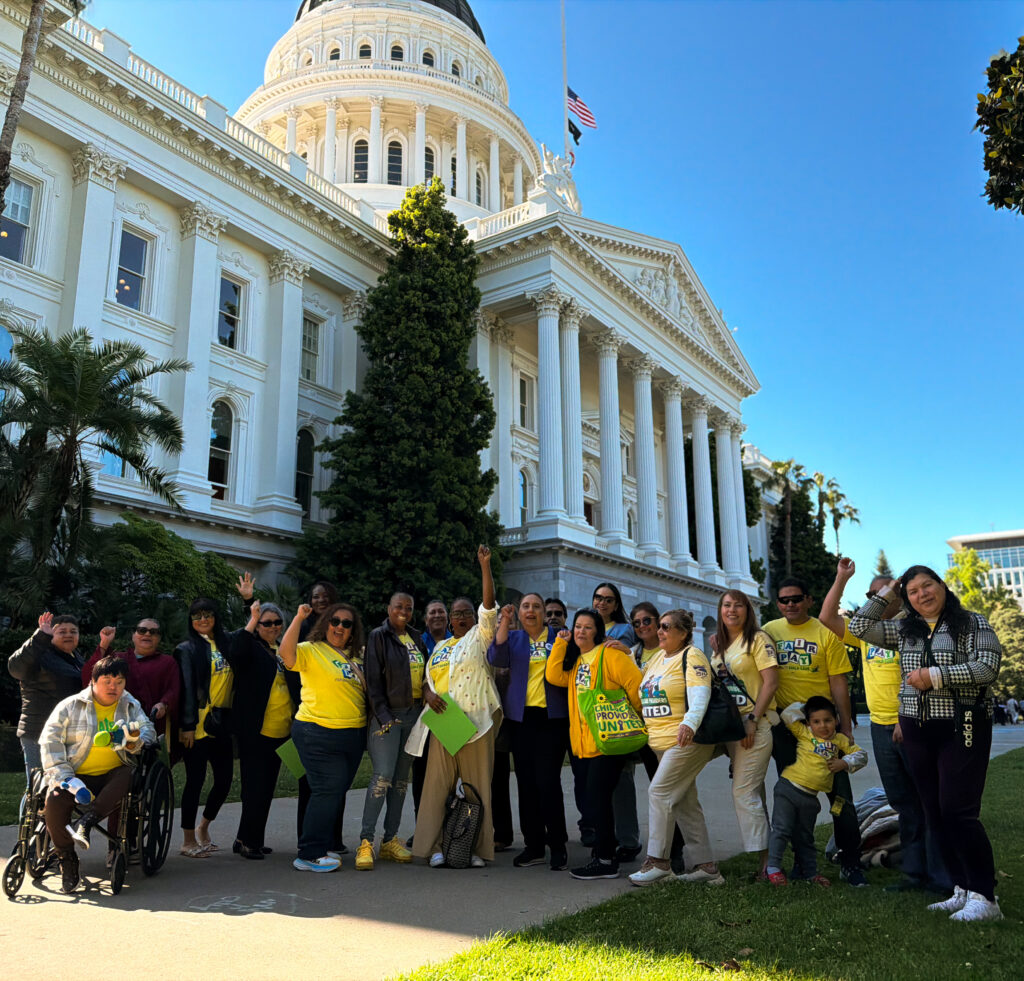
In the first four months of 2026, providers have been building and flexing our collective strength to make real progress in Sacramento and our efforts are making a difference. Every email we send to a lawmaker, every legislative panel we testify on, and every time we show up to speak out during public comment, it makes a difference. Our organizing and collective strength are how we’ll address the true cost of care, secure a state budget that increases both provider pay and available slots, and make sure family child care is a safe, sustainable profession for providers and parents.

Here’s how we’re making a difference in recent weeks:

Assembly Bill 1981 

  • Launched in March in partnership with California Assembly Majority Leader Cecilia Aguiar-Curry, this bill is designed to help providers meet the True Cost of Care and is considered a priority bill by the California Legislative Women’s Caucus.
  • Members unleashed a firehose of calls and letters in support of this bill to state lawmakers, participated in press conferences, and spoke up in legislative hearings to advocate for the bill. 
  • “As a young girl I watched as my mother and fellow providers fought for basic rights and recognition as providers – and today I carry the torch on her behalf and on behalf of the more than 70,000 providers across the state. My community needs me to keep my doors open and I need to pay the bills; AB 1981 is a critical step toward making that possible,” Miren Algorri, a family child care provider from San Diego County, said at a press conference announcing the legislation.
  • What happens next? Now that AB 1981 has passed the Assembly, it will move to the Senate for committee and floor votes in the coming weeks.
  • What you can do: continue contacting your legislators to tell them how critical this bill is as it makes its way through the Senate next and, eventually, to the Governor’s desk. 
    • Child care providers can visit ccpu.click/ab1981 to send an email.
    • You can ask your friends, neighbors, and the parents of children you care for to visit ccpu.click/support so they can do the same.
    • Reach out to your organizer to join local lobby visits with your elected officials so they hear more from providers like you in greater detail about the crisis providers are facing until we reach the cost of care.

State Budget Blueprint

    • This month, the State Senate released its budget plan, which includes significant investments in child care including 44,000 new child care slots. Paired with the Governor’s proposed cost of living increase, this represents significant progress in keeping provider doors open and meeting families’ needs. We are organizing to ensure a final budget adds more child care slots–funding families use to pay for child care in our homes and elsewhere–and higher pay for providers.
    • Over one weekend, nearly 500 CCPU members sent letters directly to California Senate leadership and shared our support on social media.
  • “My costs are higher than the subsidy rates, but I know families cannot pay these additional costs I could charge them, so I absorb nearly $400 a month. It is reflected when I have to buy less materials that could have helped me provide a richer educational experience for all of the children in my care. The bottom line is that children are missing out,” Ana Fonseca, a family child care provider from Hayward, told Senate Budget Subcommittee 3 during a hearing on April 23.
  • During May and June, providers will have many opportunities to make sure the final budget that passes prioritizes issues key to child care providers, including increased pay, more slots, fixes to the 80/20 temporary absence rule, and funding for providers impacted by the LA fires. 

Assembly Bill 2379

    • Launched in March in partnership with California Assemblymembers and authors José Luis Solache, Jr. and Juan Carrillo, this bill is designed to ensure consistent access to Know Your Rights information and training for child care providers so that if ICE comes to our doorstep, we know how to protect ourselves up and down California. 
    • CCPU members proudly testified in hearings with the Assembly Human Services and Assembly Judiciary committees to share their stories. 
  • “As family child care providers, our homes are more than just businesses. They  are safe havens for the children we nurture. AB2379 is vital because it gives us the professional training to understand our Fourth Amendment rights. No provider should ever have to feel intimidated or face an unwarranted search while a child is in their care. This bill ensures we have the tools to keep our doors open and our families safe,” said Natasha Finister, a child care provider from Los Angeles.
  • The bill, which has been prioritized by the California Latino Legislative Caucus, passed out of both committees and is headed next to the Assembly Appropriations Committee.


The stories we share matter, and it’s important that our lawmakers never forget them. Together in our union, we have a proven track record of organizing and winning on the issues that matter most to California’s child care providers and families. Let’s keep organizing, let’s keep sharing, and let’s keep winning. 
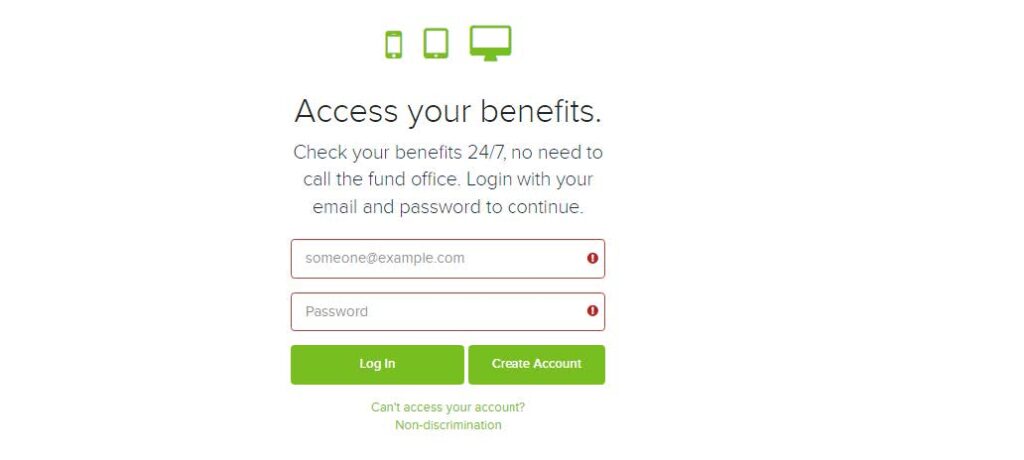
Access your portal

Step 1

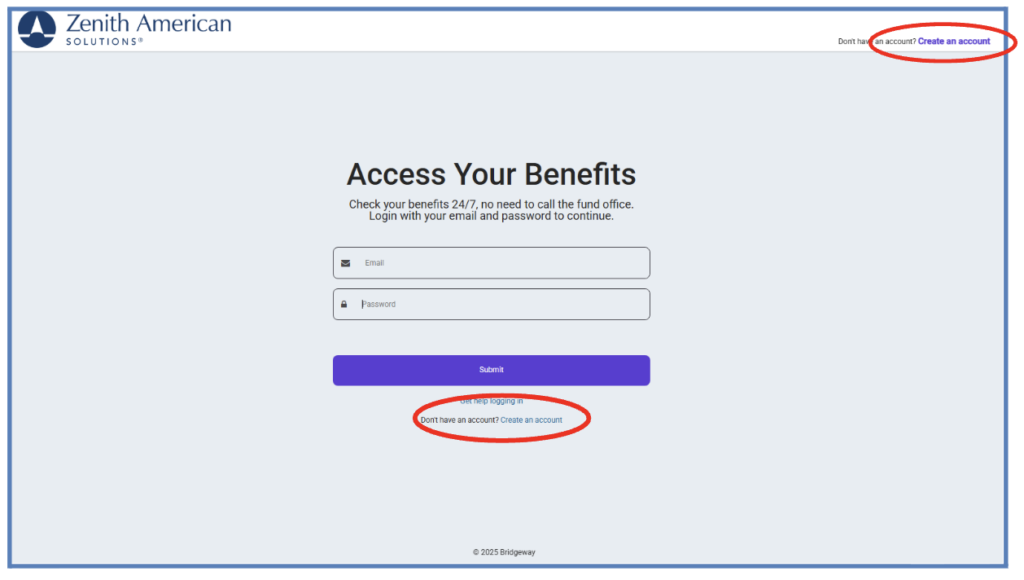
Go to portal site.

STEP 2

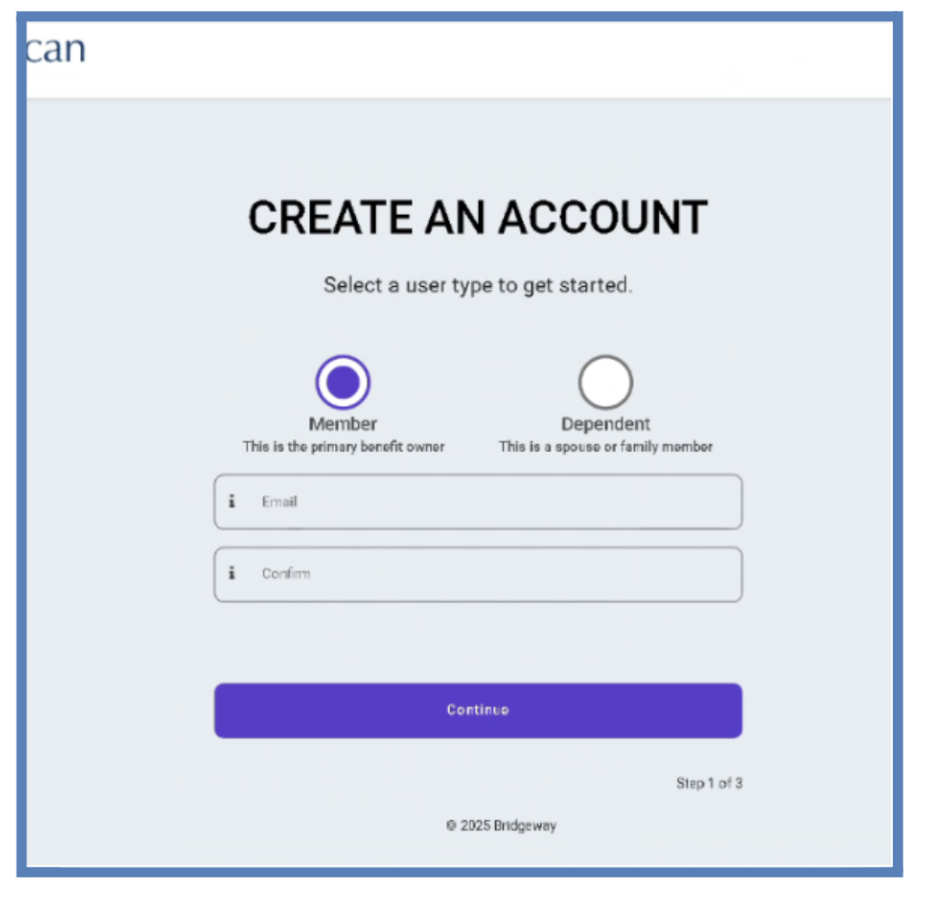
Click “Create Account.”

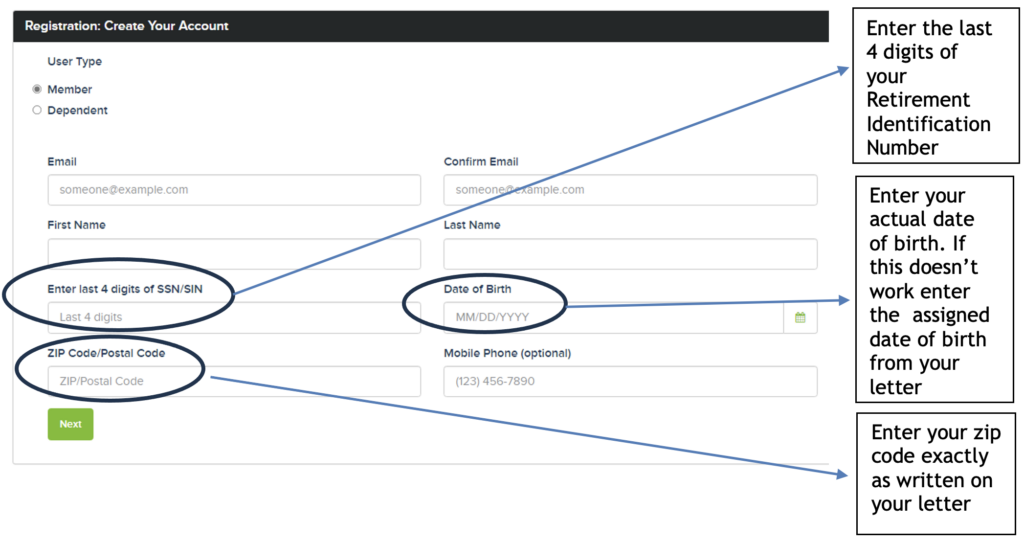
step 3

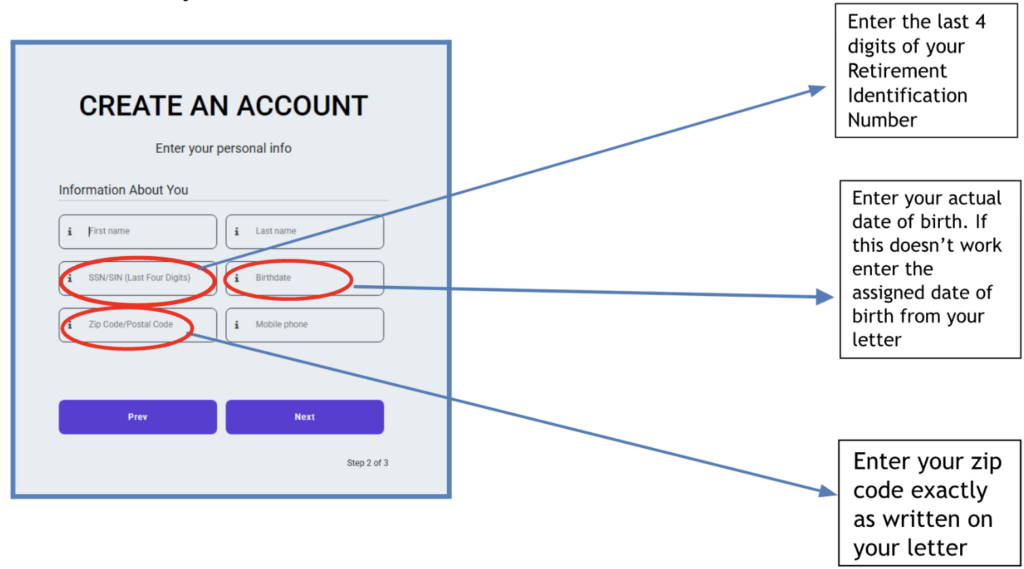
Complete the following fields, using the information provided in the benefits letter you received.

  • User Type: Member
  • Email: Enter your email address and confirm your email
  • First and Last Name: Enter your first and last name
  • SSN/SIN: Enter the last 4 digits of the Retirement Identification Number you received from your benefits letter. Do not enter the last 4 digits of your Social Security number.
  • Date of Birth: Enter your actual date of birth. If this doesn’t work, then enter the temporary date of birth from your benefits letter.
  • Zip Code/Postal Code: Enter the zip code exactly as written on your benefits letter
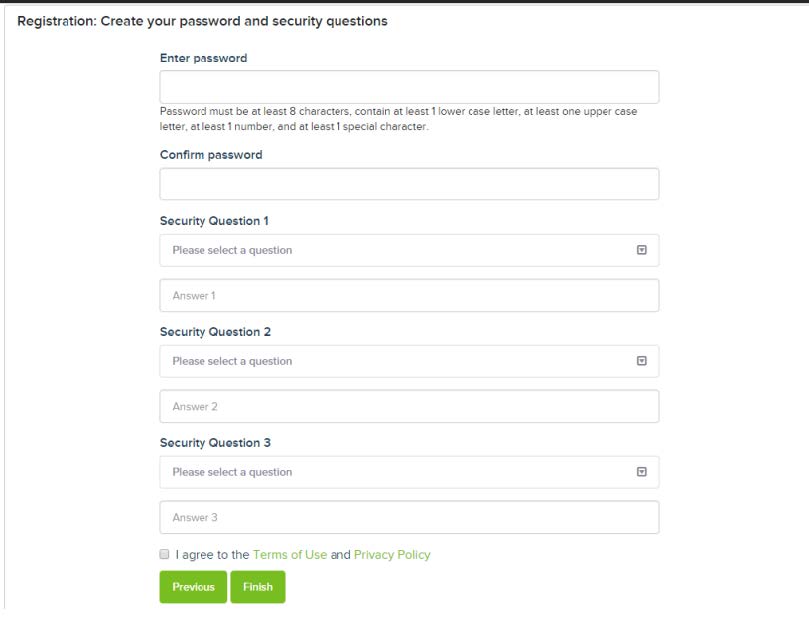
step 4

Click “Next” and the following screen displays

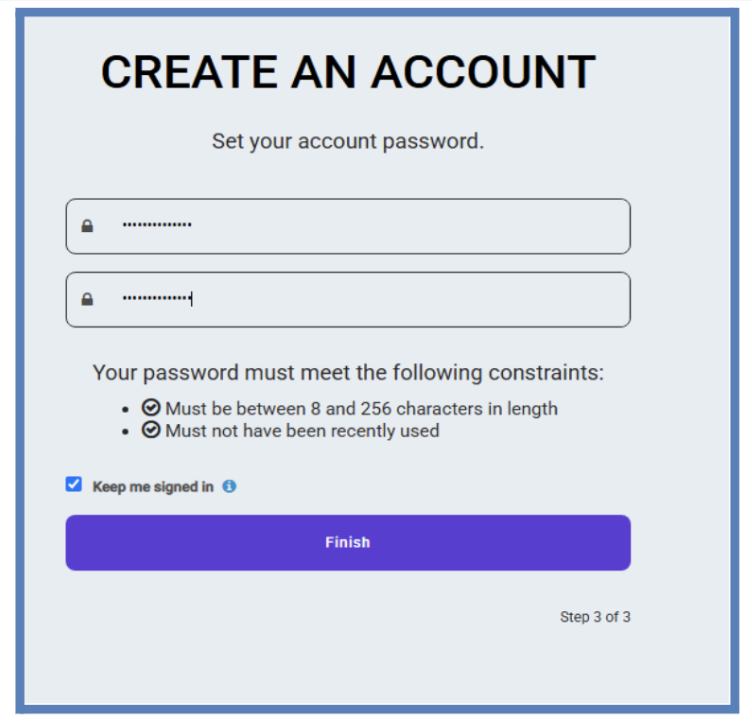
Enter the password, and three Security Questions and answers, and select the Terms of Use and Privacy Policy checkbox.

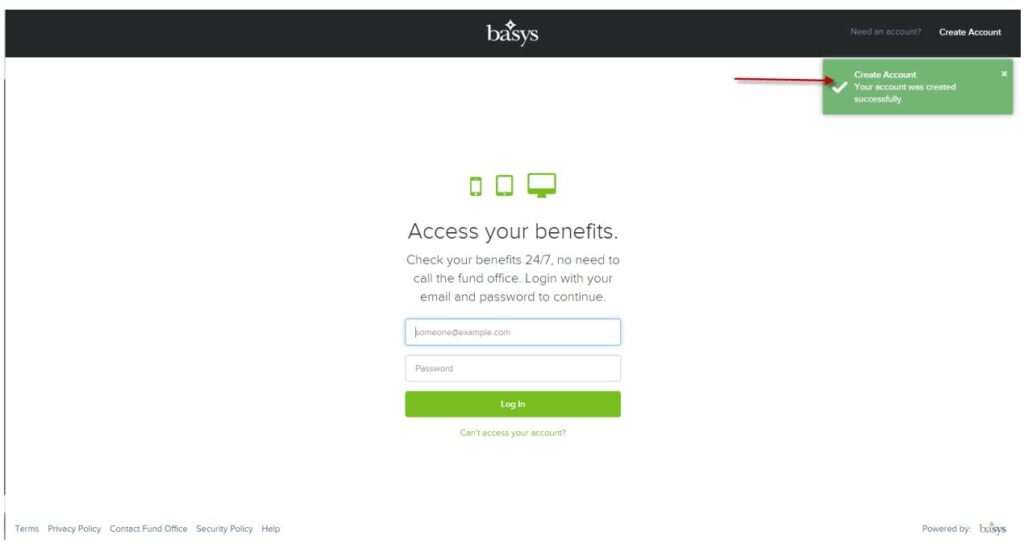
step 5

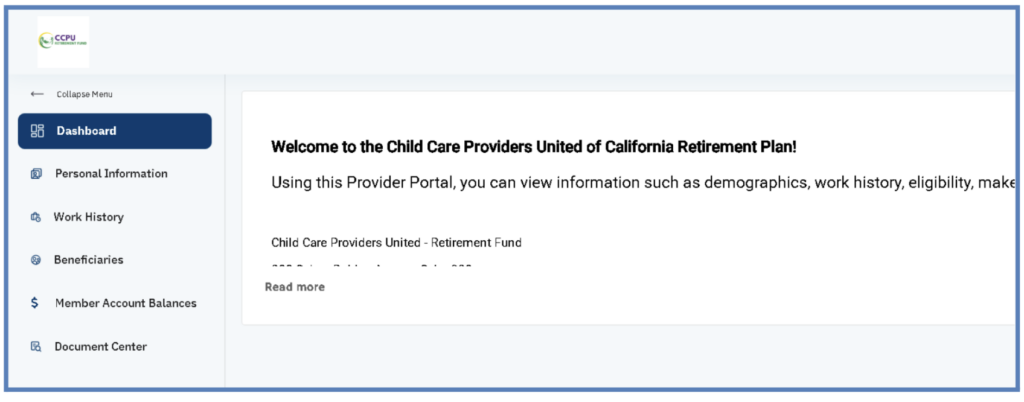
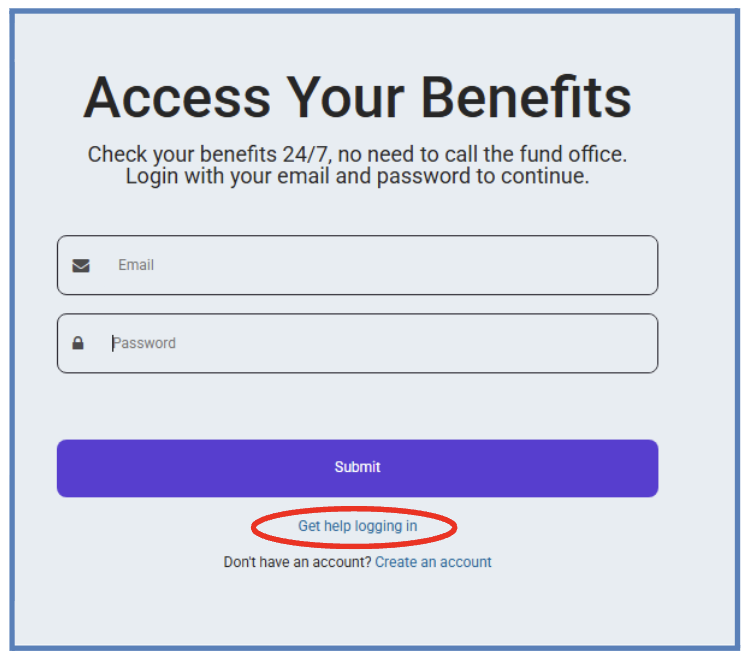
Click Finish, the account is created, and you are returned to the initial screen (see following screen example)

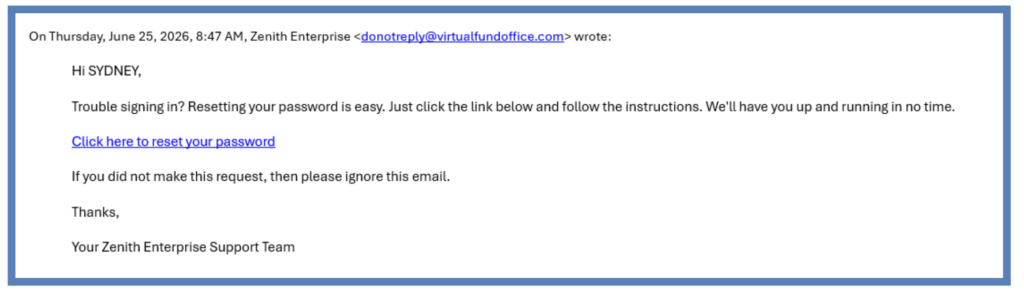
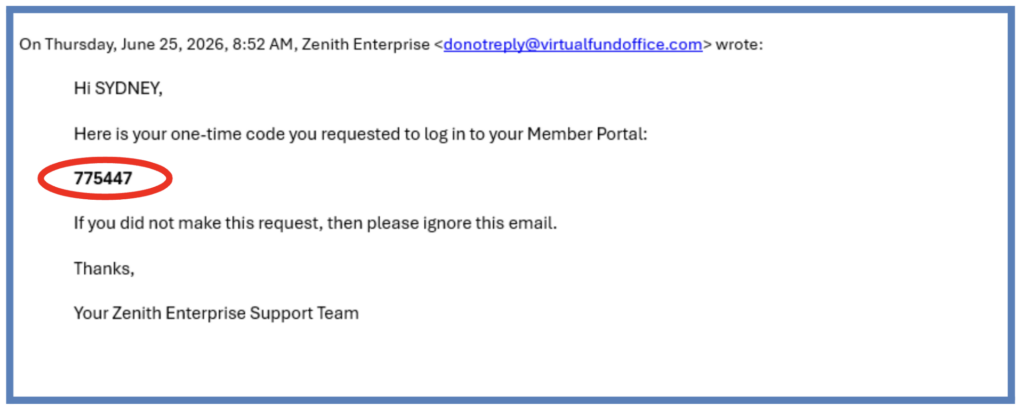
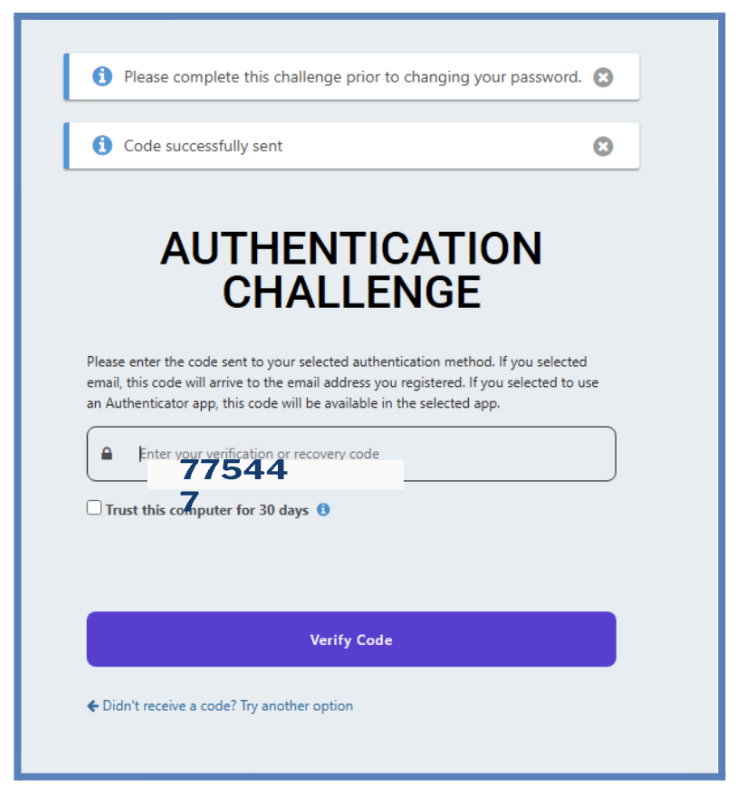
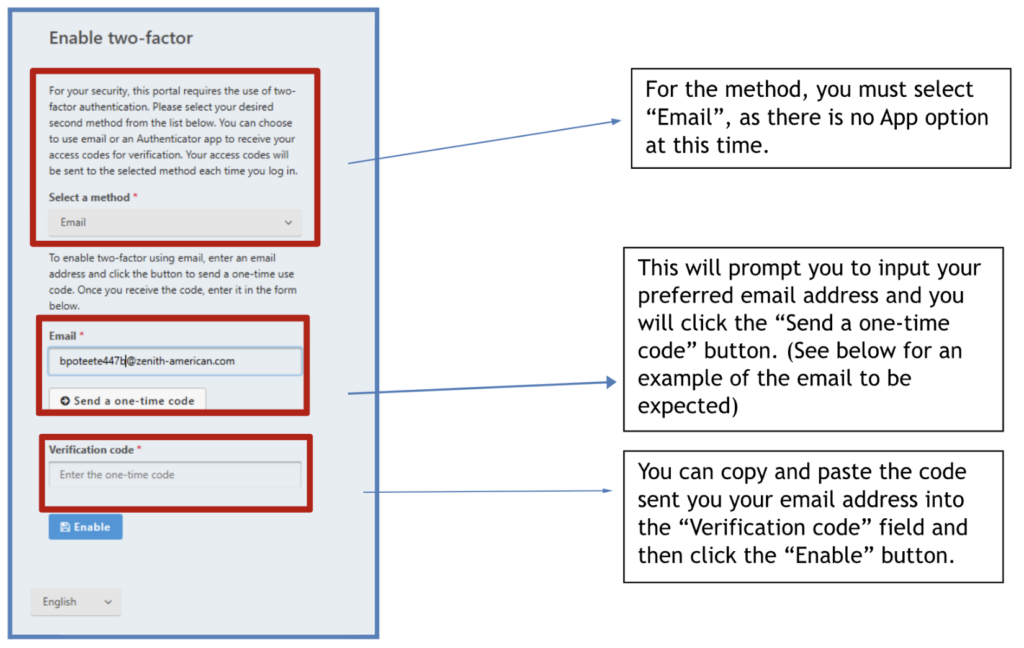
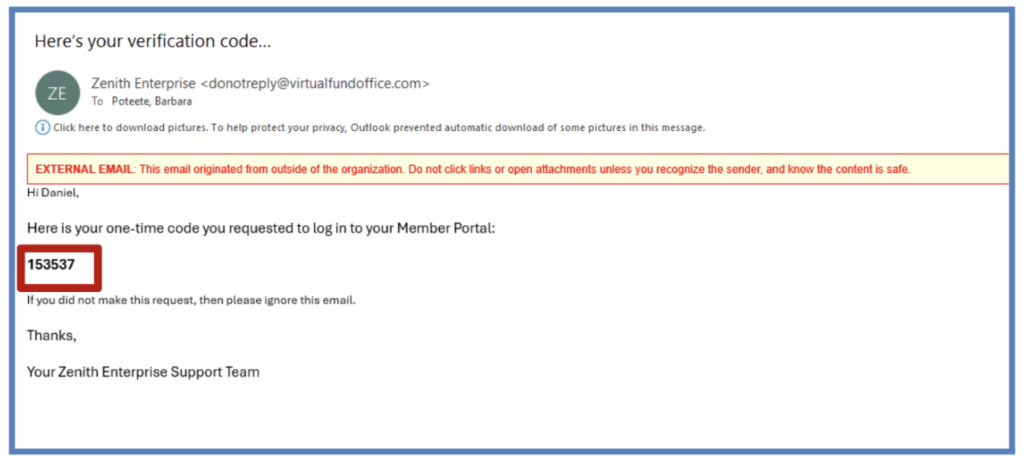
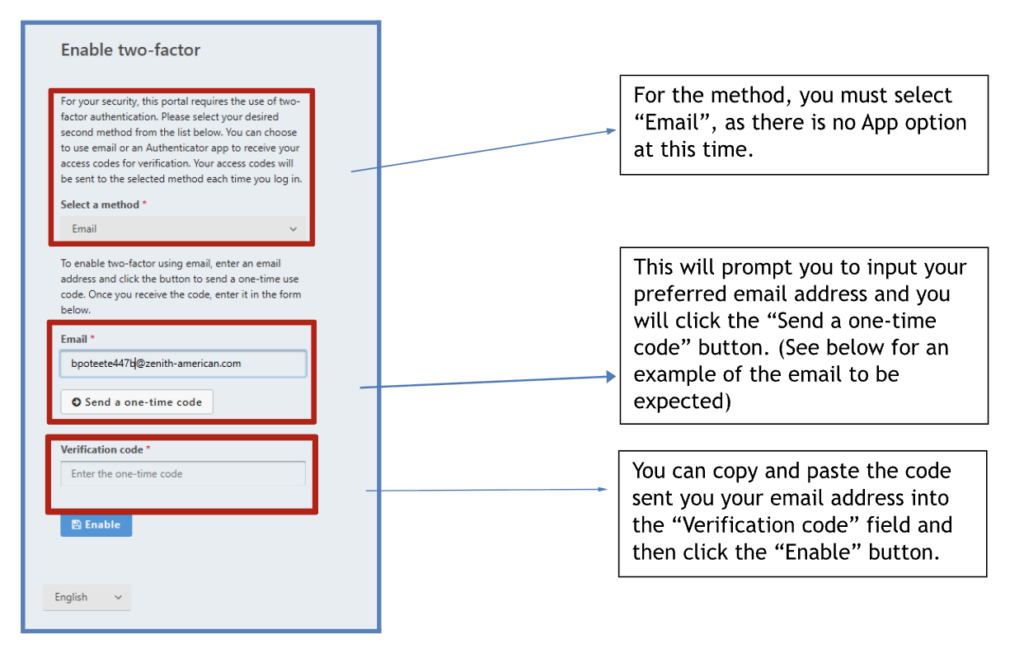
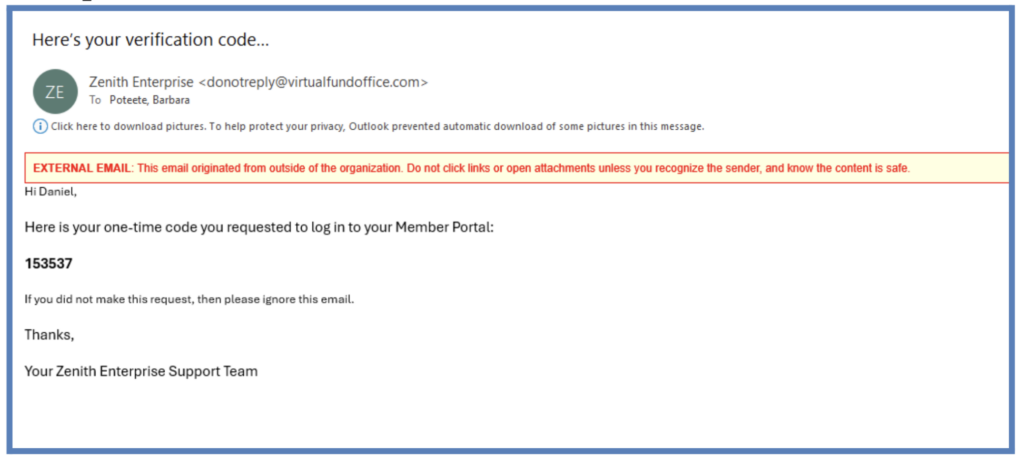
You will also receive an access code which will be sent to the email that you entered when you created your account. Note: Each time you log in from a new computer/device, you must enter a new access code.

step 6

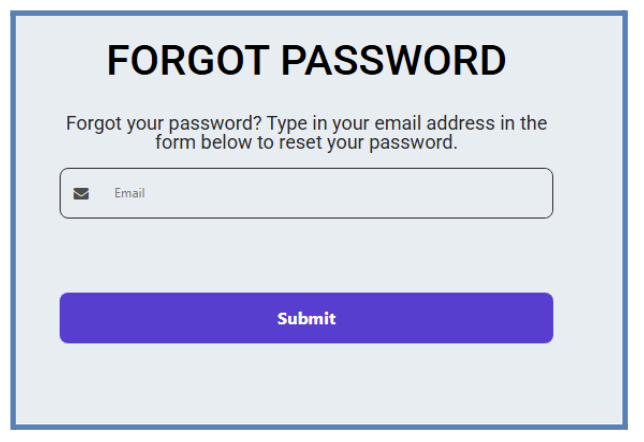
From the initial screen, enter the email address you used to set up your account and password, and click Login

step 7

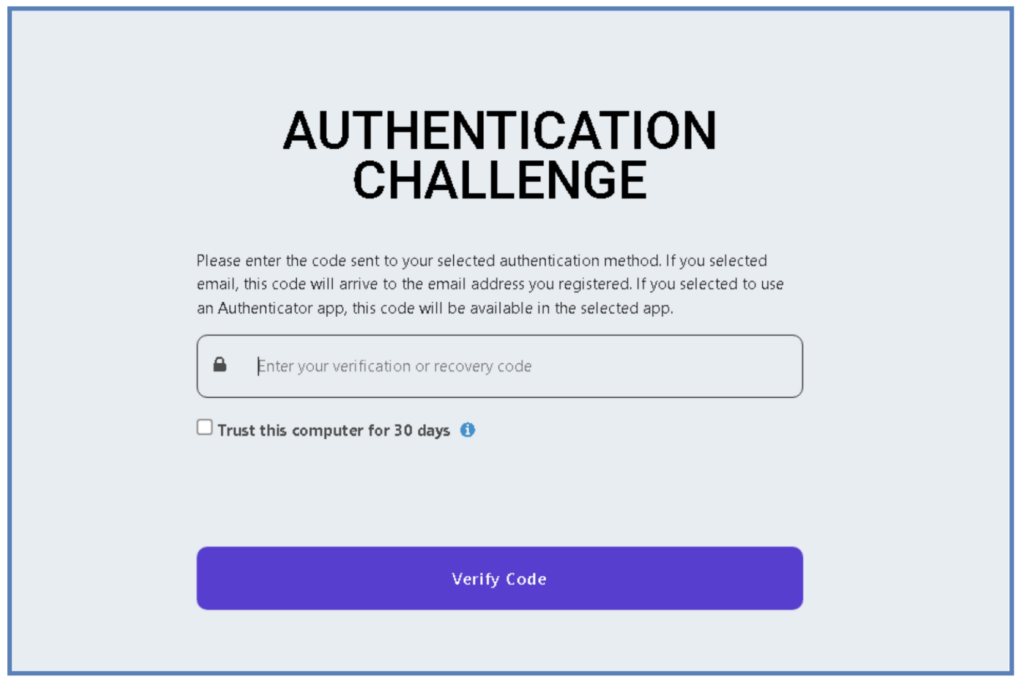
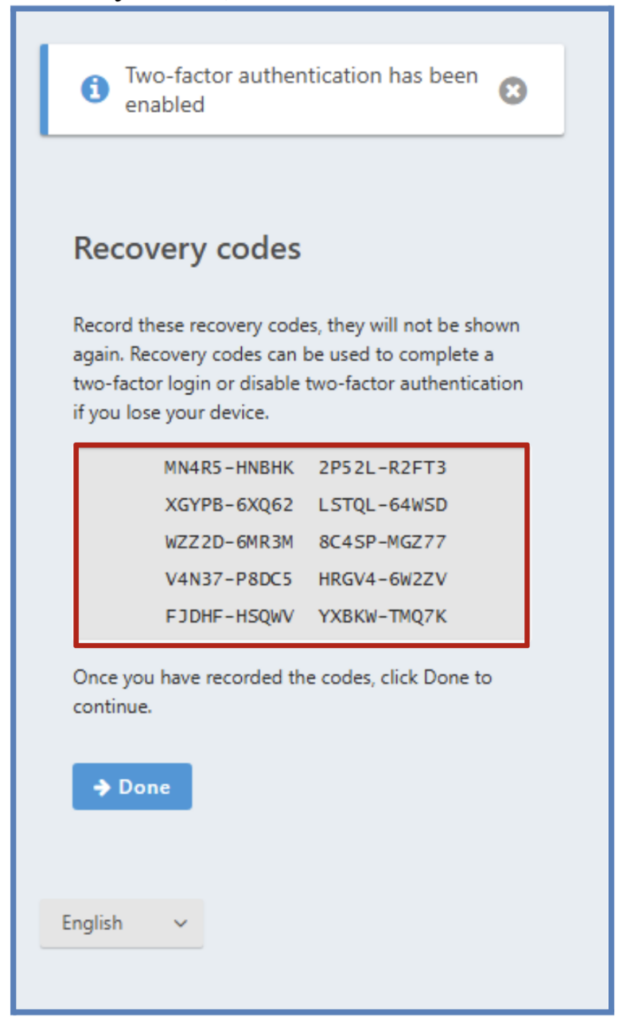
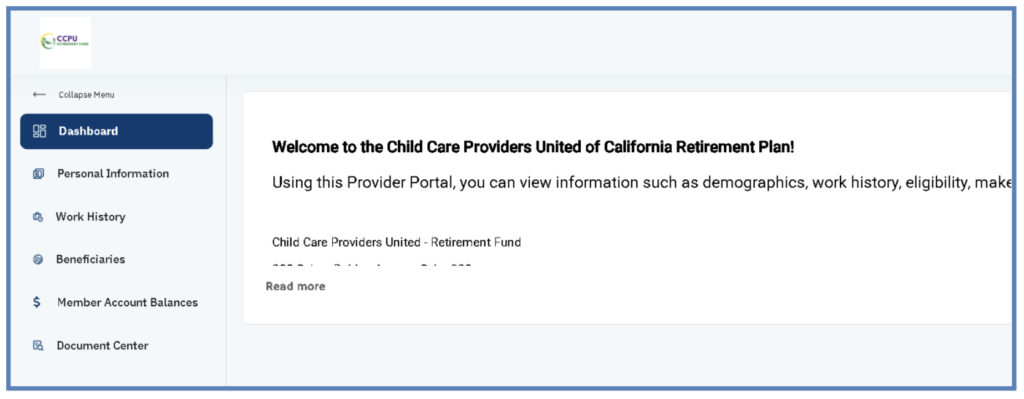
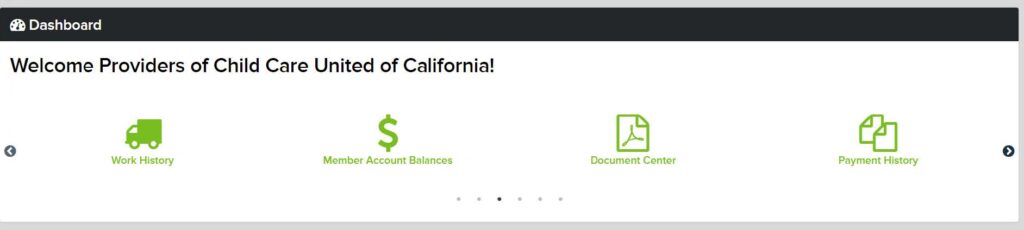
Enter the access code you received in your email to access the Dashboard screen

If you have any questions, or would like assistance registering your portal, call our CCPU Provider Resource Center at (888) 583-CCPU (2278) or PRC@ccpuca.org.

Info Sessions Recordings:

July 9 CCPU Retirement Fund Info Session

July 18 CCPU Retirement Fund Info Session

Frequently Asked Questions

Find answers to common questions in the FAQ section below.

Are the benefits from the Retirement Plan taxable income to me?

The State contributions to your Retirement Plan account are not taxable to you until you receive a distribution. There may be distributions options to defer those taxes.

When can I sign up for the Retirement Fund and where can I learn more?

Eligible providers are automatically enrolled in the retirement fund. However, the administrator, Zenith American Solutions, will ask eligible providers to update necessary information. It is important to provide this information so that your records are accurate, and to avoid delays accessing your account.


If you believe you are eligible, but have not received this mail, you may contact the CCPU Provider Resource Center for assistance at (888) 583-CCPU (2278) or PRC@ccpuca.org.

Have more questions?

If you have additional questions, you can call the CCPU Provider Resource Center at 888-583-CCPU (2278) from 9am to 5pm Monday-Friday or email at PRC@ccpuca.org.

WHAT – What benefits does the Retirement Fund expect to offer providers?

Expand the Retirement Fund Benefits Table to see benefits.

 Plan Rules
Eligible participants*

You are eligible to participate in the Retirement Plan for a 2024 contribution if you are:

  • A licensed child care provider
  • Who has been paid 6 or more months of child subsidy in the 2023 calendar year (can be non-consecutive months).
Eligibility for benefit credit for contributions in 2024*You will earn your full service credits for 2023 if you were paid for ten or more months of child subsidy in 2023. If you were paid for 6 or more months of child subsidy, you will receive 60% of your service credits, 70% for 7 months, 80% for 8 months and 90% for 9 months. You will not earn any service credit if you were paid for less than 6 months.
ContributionsThe only contributions to the Retirement Plan will be paid from funding won through the CCPU collective bargaining agreement. The Plan does not accept contributions from you.
Amount of annual employer contributions for 2024 service allocable to participants in 2025*You will earn one full service credit for the State contribution on your behalf in 2025 if you were paid for ten or more months of child subsidy in 2024. If you were paid for 6 to 9 months in 2024, you will receive a pro-rated service credit. You will not earn any service credit if you were paid for less than 6 months in 2024.
VestingYou are “vested” in any contribution correctly made to your account. You do not need to work a minimum number of years before 2024 to be entitled to a benefit.
Distribution events

You can elect to receive your account when:

  • You stop all work as a licensed provider paid for state subsidized child care for 9 consecutive months at any age (“terminate from service”);
  • You stop all work as a licensed provider paid for state subsidized child care for 3 consecutive months at age 60 or older (“retirement”); or
  • You attain age 73, which is the age you are required to start receiving payments, unless you are still working.
Forms of distributions

If you are age 60 or older and stop all work as a licensed provider for 3 consecutive months and elect to retire, you can choose to receive your account balance as:

  • One lump-sum payment
  • Approximately equal monthly payments for 5 years
  • Approximately equal monthly payments for 10 years

If you are younger than age 60 and stop all work as a licensed provider for 9 consecutive months, you can only elect to receive your account as one lump-sum payment.

Death benefitsSince your account is 100% vested, you can designate a beneficiary (or multiple beneficiaries) to receive your account balance if you die before you receive it.
InvestmentsThe Board of Trustees will manage how the Retirement Plan is invested on your behalf, with the assistance of investment professionals.

*Special rules apply to providers where more than one provider is on the payment record.

who

Who is eligible for the Retirement Fund benefits?

State contributions to the Retirement Plan are tied to the child care subsidy program. To be eligible for retirement benefits in 2024, you must be a licensed provider who has have been paid for work with a subsidized child in at least 6 months in 2023-these months do not need to be consecutive. License exempt providers are not eligible; however, if you become licensed in a year, your work in that year may count for eligibility.

when

When will the benefits be available?

Contributions to the Retirement Plan are tied to the child care subsidy program. To be eligible for retirement benefits in 2024, you must be a licensed provider who has have been paid for work with a subsidized child in at least 6 months in 2023-these months do not need to be consecutive. License exempt providers are not eligible; however, if you become licensed in a year, your work in that year may count for eligibility.

how

How can I get help enrolling?

If you are eligible, the Plan will automatically enroll you based on data received by the State of California. You should immediately update your information with the Plan so it has has all of your current information and you receive credit for your years of licensed work.