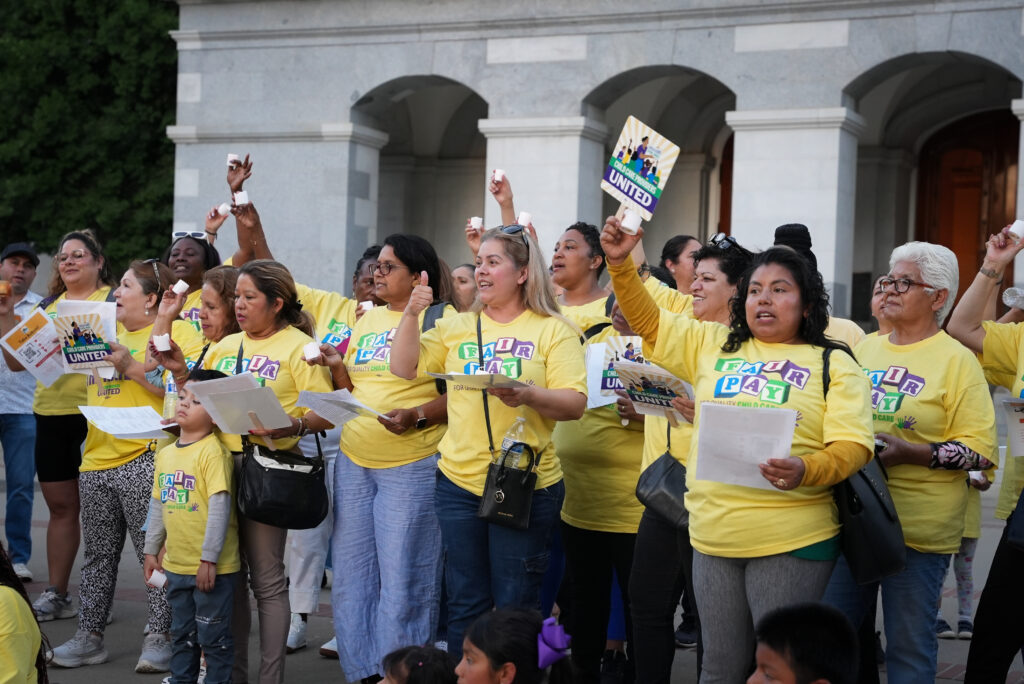
Child Care Providers Celebrate Introduction of Landmark Legislation to Address Historic Pay Inequities

For Immediate Release 

February 23, 2026

Contact: Maya Polon, maya@paschalroth.com

AB 1981 by Assemblymember Aguiar-Curry will tackle California’s child care crisis head-on

SACRAMENTO, CA – The more than 70,000 family child care providers in California represented by Child Care Providers United (CCPU) were proud to stand in support of Assembly Majority Leader and Legislative Women’s Caucus Chair, Cecilia Aguiar-Curry (D-Winters), as she introduced AB 1981 this month. The legislation is a breakthrough for child care providers and the families who count on them, aiming to solve a crisis of low pay and inequality that leaves providers in poverty and families scrambling to find care.  

“Child care providers formed our union and built our strength by coming together to fight for dignity and the profession we love. I’m proud we’ve won healthcare and access to our retirement fund – but I’m still barely scraping by. I have to pay my assistants minimum wage – and I want to pay them more as quality early educators – while the state leaves me searching for pennies in couch cushions. We are so proud to have an incredible child care champion, Assemblymember Aguiar-Curry, in the fight with us as we push to finally reach payment for the full cost of care,” said Anita Vicini, a child care provider in Sonora.

Existing law requires the state of California to adopt a new payment structure for child care providers that fully accounts for their cost to provide care to children of working families, but new payment rates have been delayed for years. AB 1981 gives the Legislature more oversight on this process to reduce further delays and finally address systemic inequities – dating back to emancipation – that continue to result in work done by women of color being undervalued. 

“Families in my community are watching their children grow up on waiting lists – that’s a sign of how broken our system is. But how do you convince providers to join an industry where you’re guaranteed to take home next to no pay? This work is a labor of love but love cannot pay my bills,” said Sylvia Hernandez, a child care provider in Van Nuys. “We appreciate that Governor Newsom has said he’s committed to expanding access, but that promise can’t be fulfilled so long as providers are being paid less than it costs us to provide quality early learning to children in our communities.”

Currently, according to state data73% of California child care providers do not pay themselves a salary due to inconsistent, low pay from the state that does not cover the full cost of providing care. In addition to paying themselves little or no salary, providers dip into their own pay each month to pay for costs the state does not cover, including time spent preparing their homes each day and transporting school aged children to and from school while their parents are at work.

“Pennies on the dollar and love for our work is simply not enough – we are fighting for full pay and respect. At the same time, working parents face tremendous difficulty getting access to affordable care, threatening to slow our state’s economic growth. Governor Newsom and our legislative leaders have committed to standing by providers and taking steps to expand access to care – AB 1981 is a great place to start,” said Vivian Rene Kuykendall, a child care provider in Sacramento.

The legislation comes at a pivotal moment, as more than two thirds of California child care providers reported being unable to meet a basic need including utilities, healthcare, and housing and almost half of family child care providers in California report relying on public assistance programs. According to a February 2025 report from the California Budget Center, only 14% of children in California who are eligible for subsidized child care were currently enrolled. 

“Child care providers are the backbone of our early education system and our state economy, but too many of these mostly women-owned small businesses are barely scraping by. AB 1981 is about paying them what they’re due—based on what it actually costs to do the job. It makes me sad we still have to actually say that. This bill will require our state agencies to report by January 31, 2027, and each year after, when they’re actually going to implement the new rate system promised in prior budgets. When we pay providers fairly, our communities are stronger, and we can support our working parents,” said Legislative Women’s Caucus Chair and Assembly Majority Leader Cecilia Aguiar-Curry (D-Winters). “After almost two decades of unkept promises, we need real accountability from our state government so our providers can stay open, and our families can find essential care. It’s that simple.”

AB 1981 is currently awaiting referral to Assembly policy committee.

###

Child Care Providers United brings together more than 70,000 family child care providers across California and is a partnership of SEIU Local 99, SEIU Local 521, and UDW/AFSCME Local 3930.
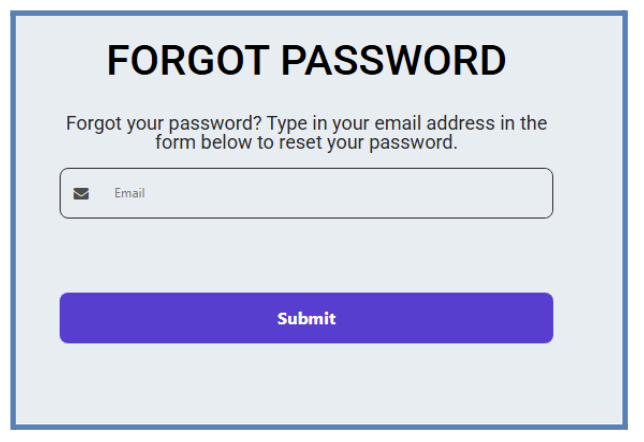
Access your portal

Step 1

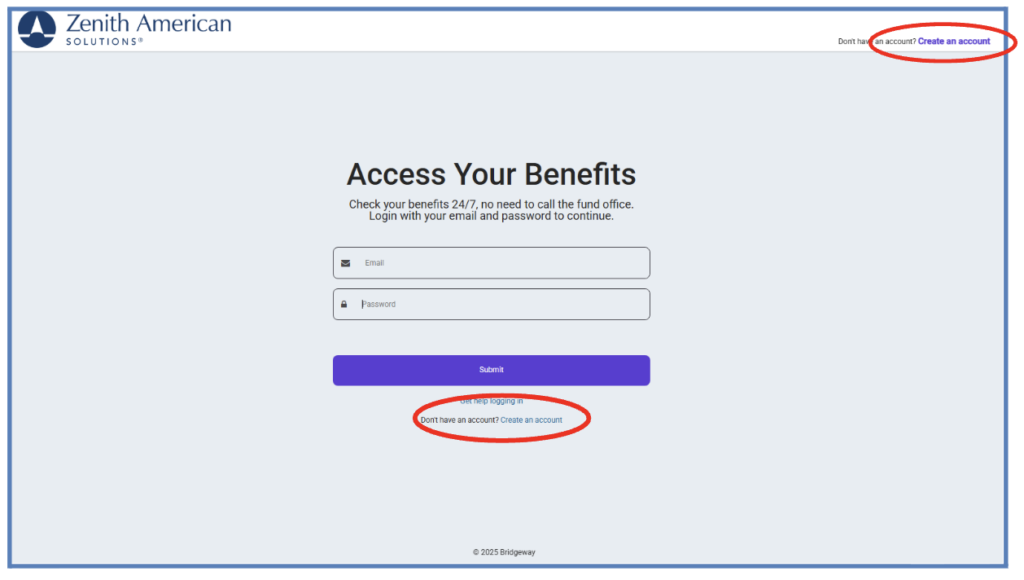
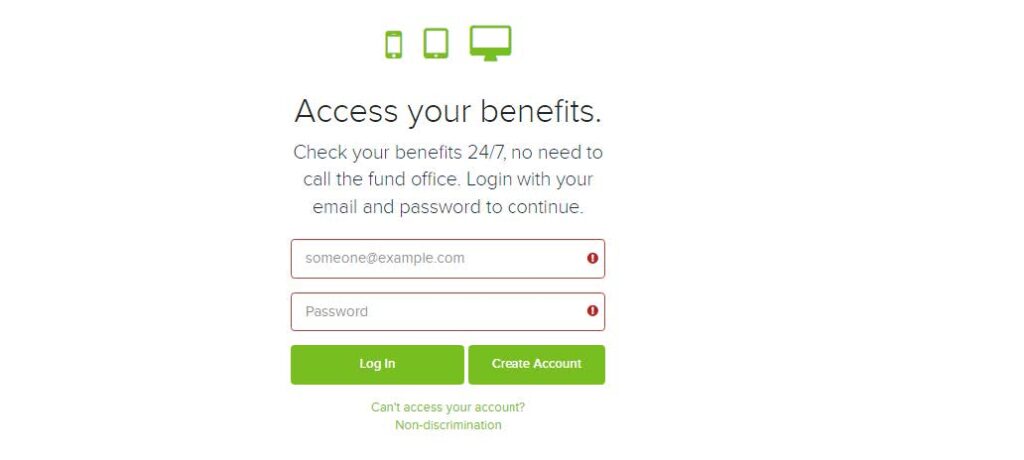
Go to portal site.

STEP 2

Click “Create Account.”

step 3

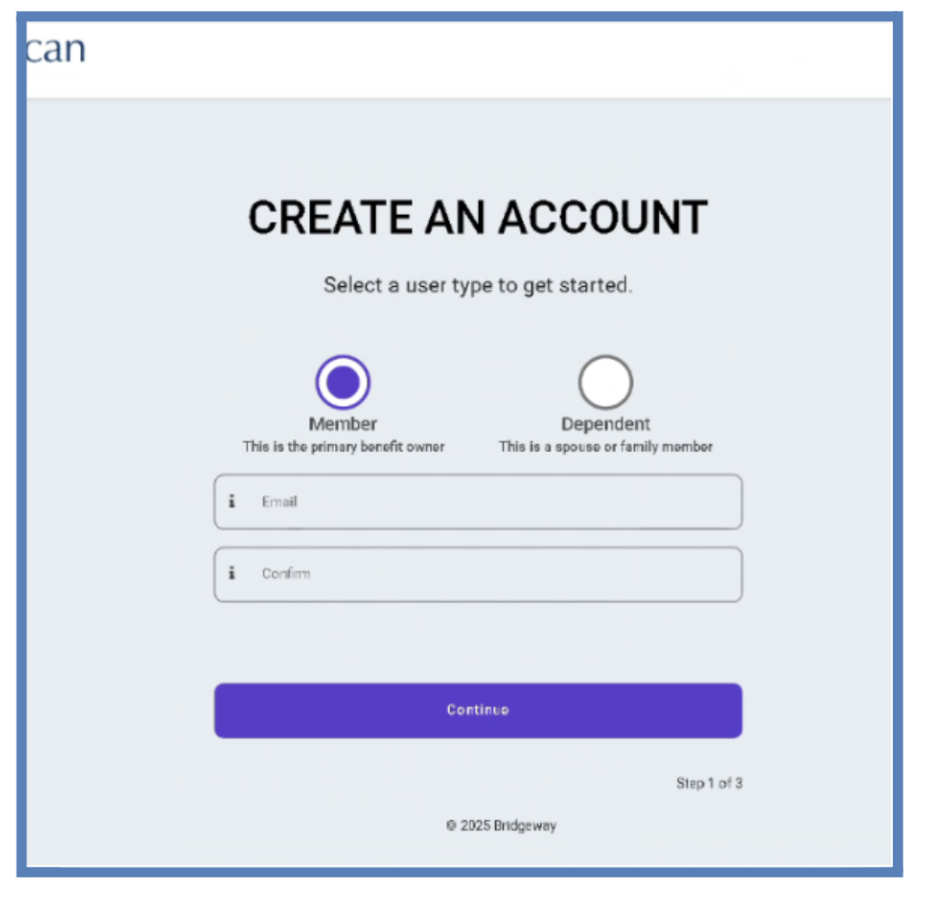
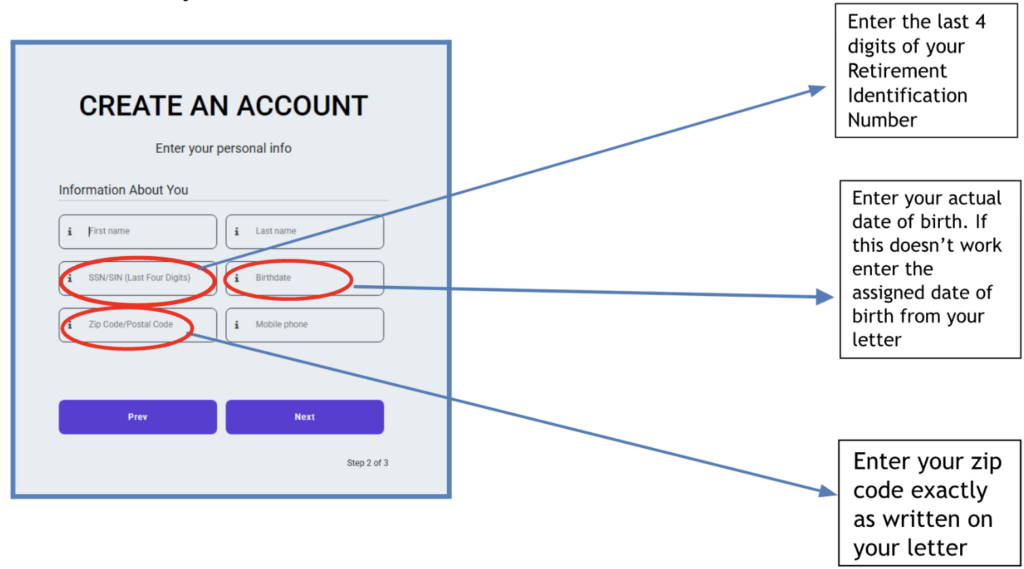
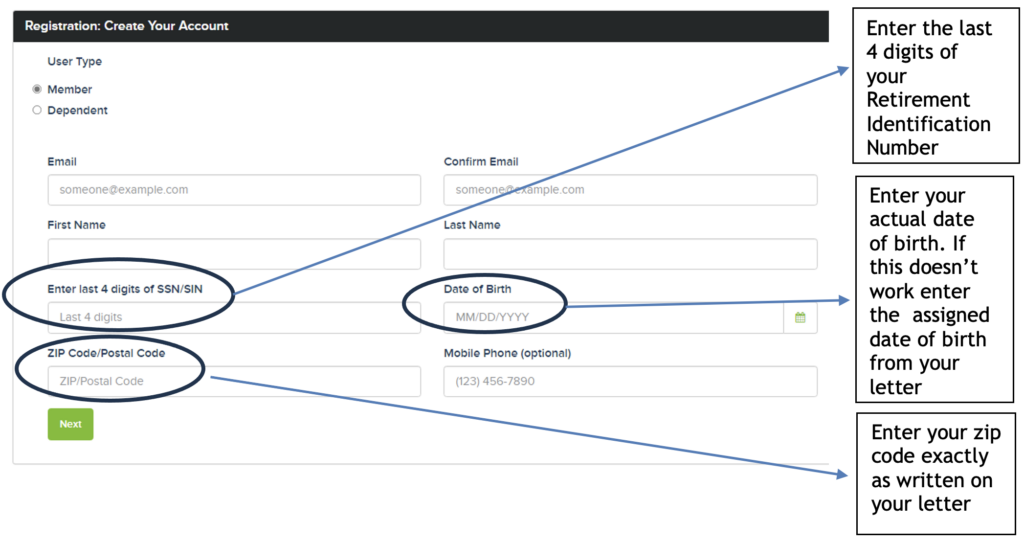
Complete the following fields, using the information provided in the benefits letter you received.

  • User Type: Member
  • Email: Enter your email address and confirm your email
  • First and Last Name: Enter your first and last name
  • SSN/SIN: Enter the last 4 digits of the Retirement Identification Number you received from your benefits letter. Do not enter the last 4 digits of your Social Security number.
  • Date of Birth: Enter your actual date of birth. If this doesn’t work, then enter the temporary date of birth from your benefits letter.
  • Zip Code/Postal Code: Enter the zip code exactly as written on your benefits letter
step 4

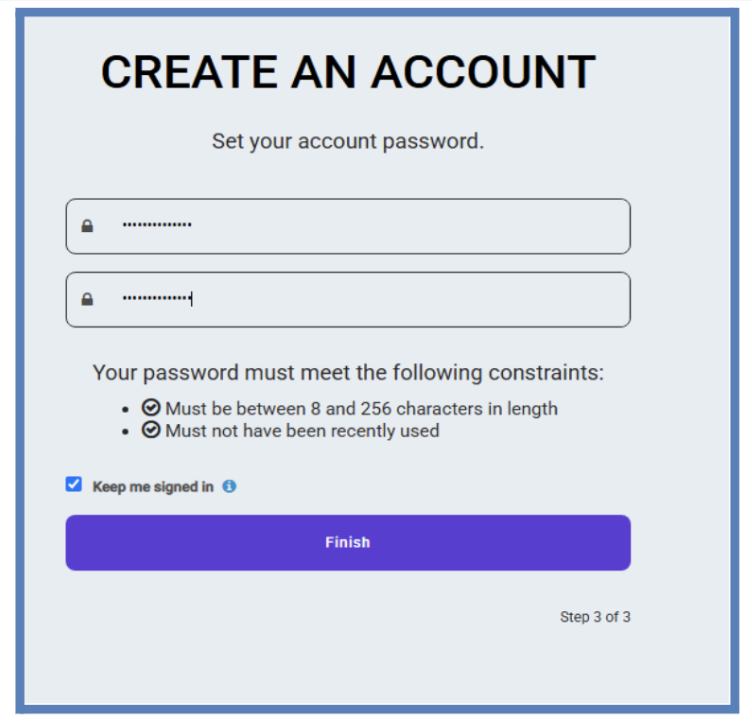
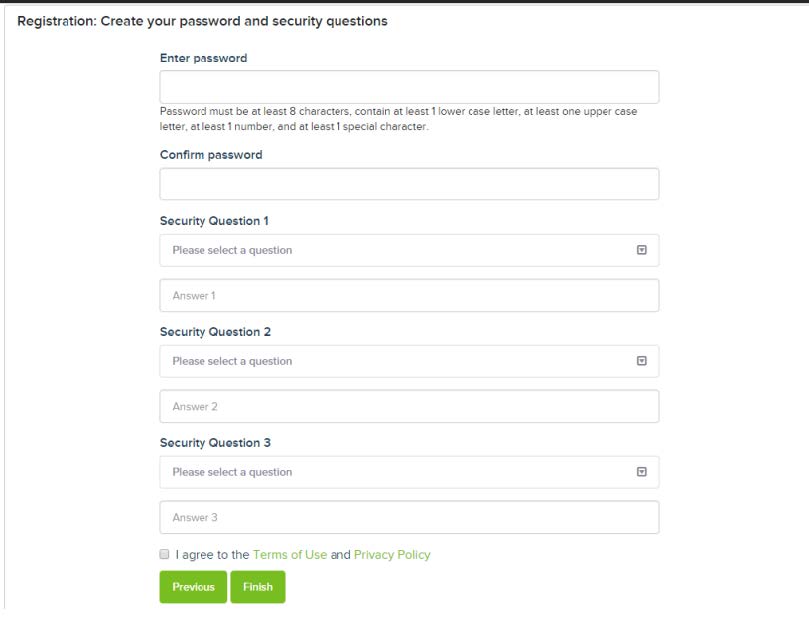
Click “Next” and the following screen displays

Enter the password, and three Security Questions and answers, and select the Terms of Use and Privacy Policy checkbox.

step 5

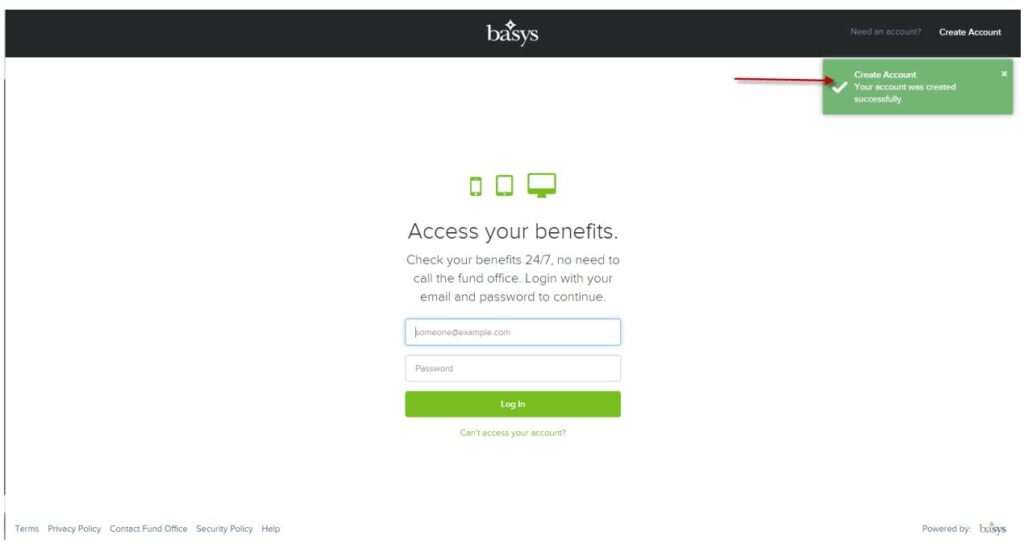
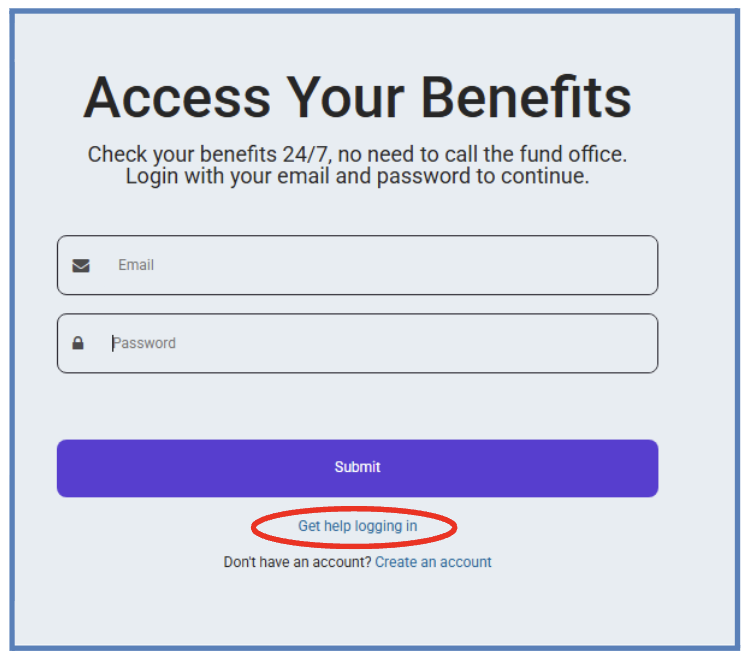
Click Finish, the account is created, and you are returned to the initial screen (see following screen example)

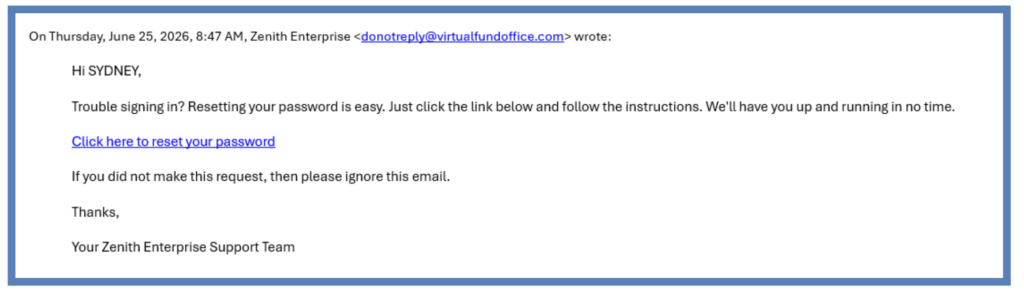
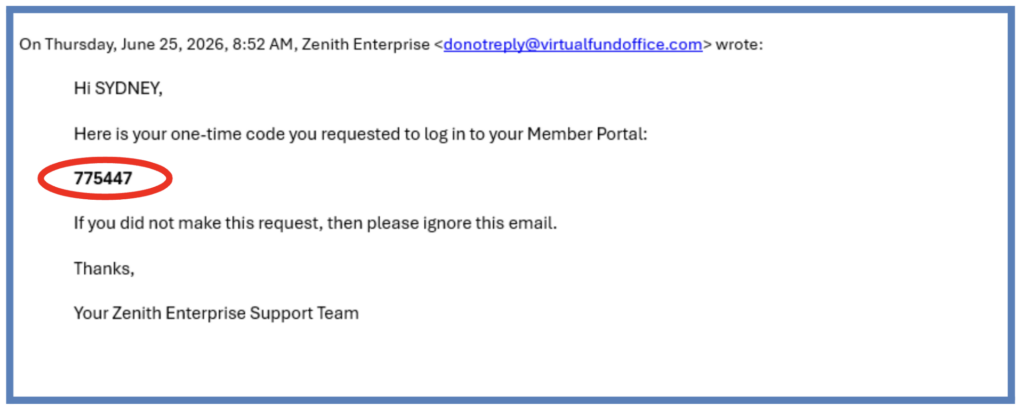
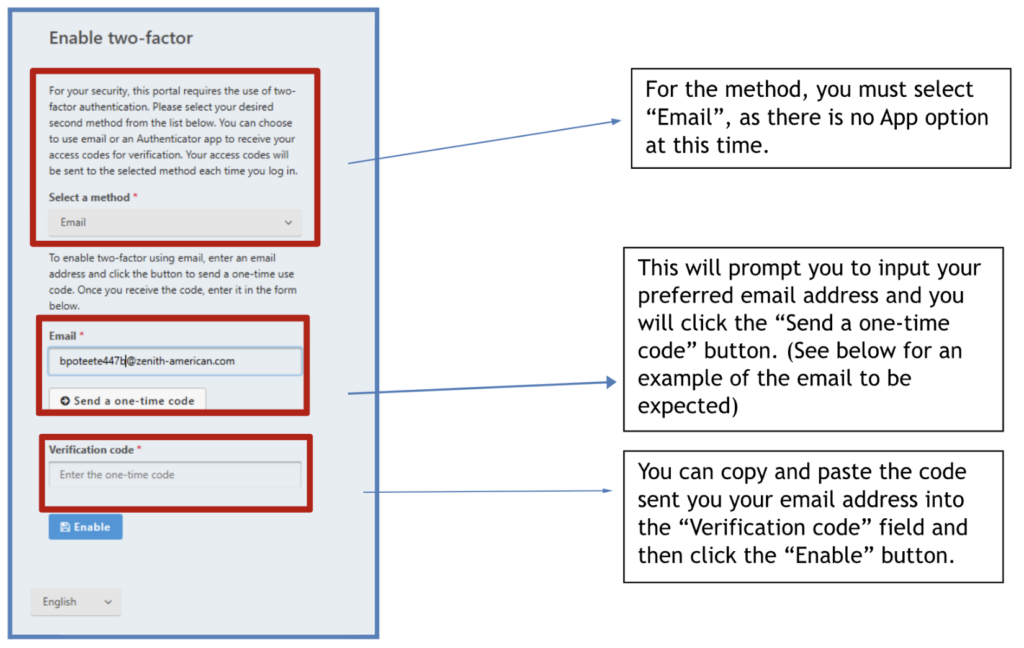
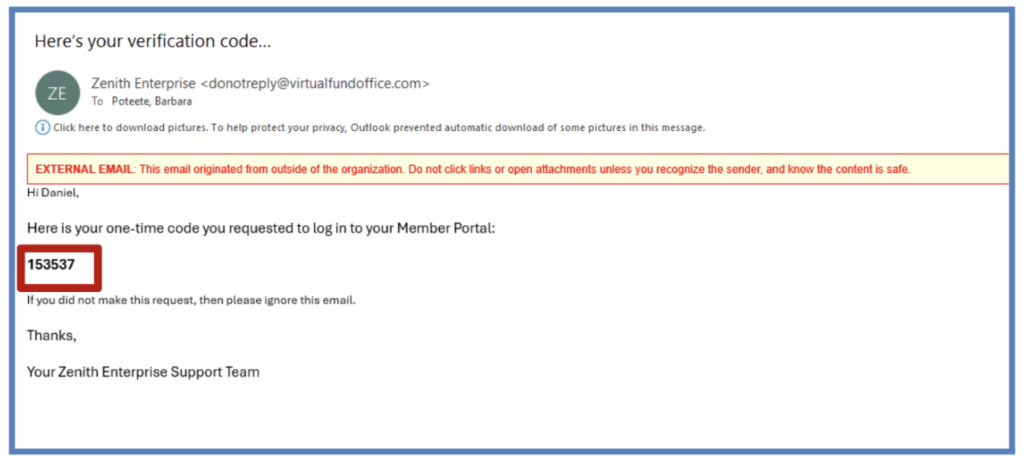
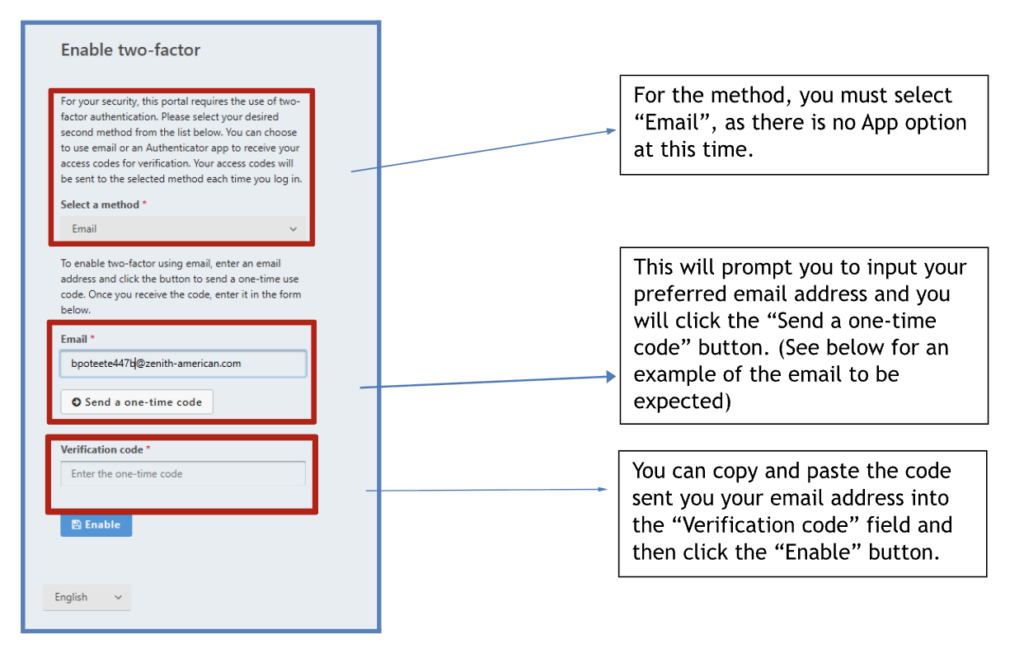
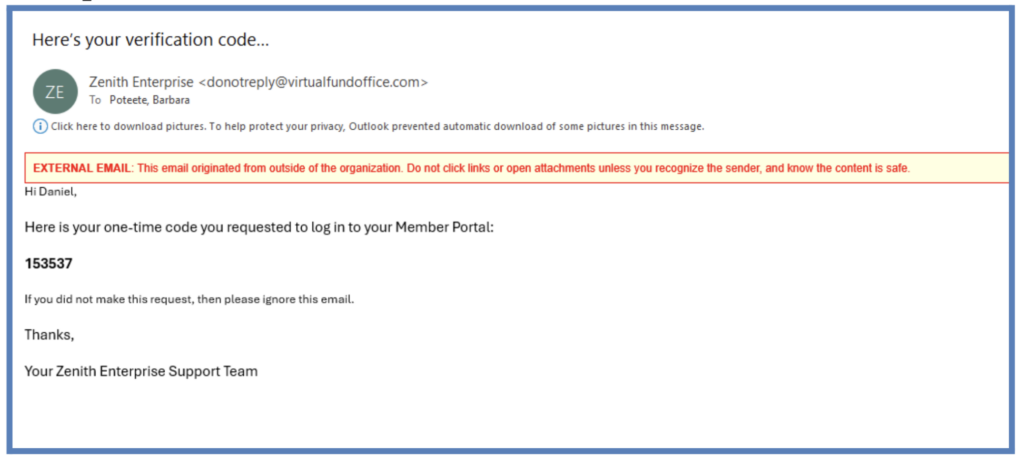
You will also receive an access code which will be sent to the email that you entered when you created your account. Note: Each time you log in from a new computer/device, you must enter a new access code.

step 6

From the initial screen, enter the email address you used to set up your account and password, and click Login

step 7

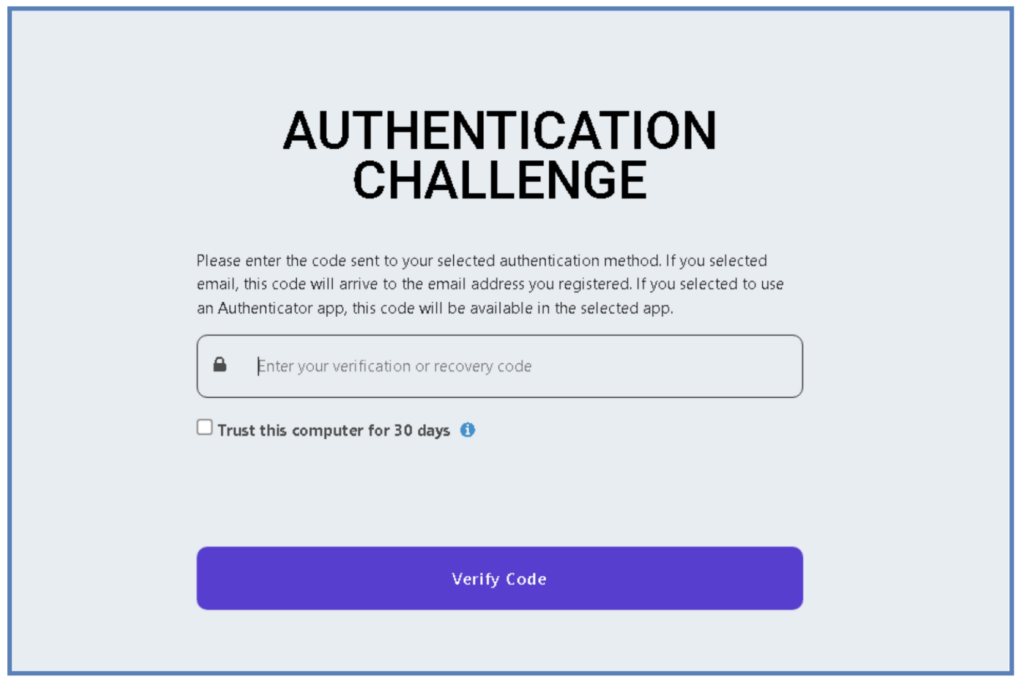
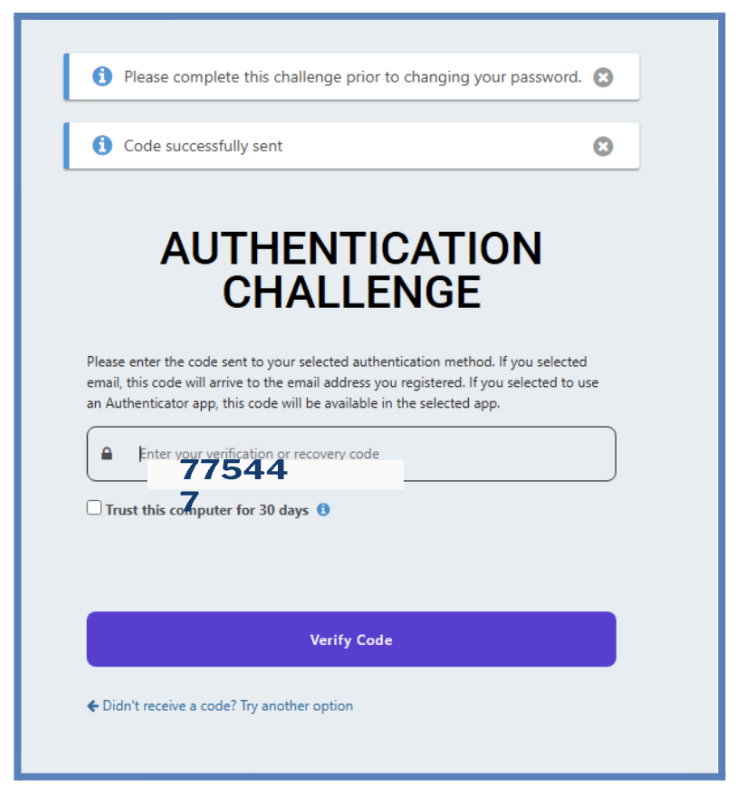
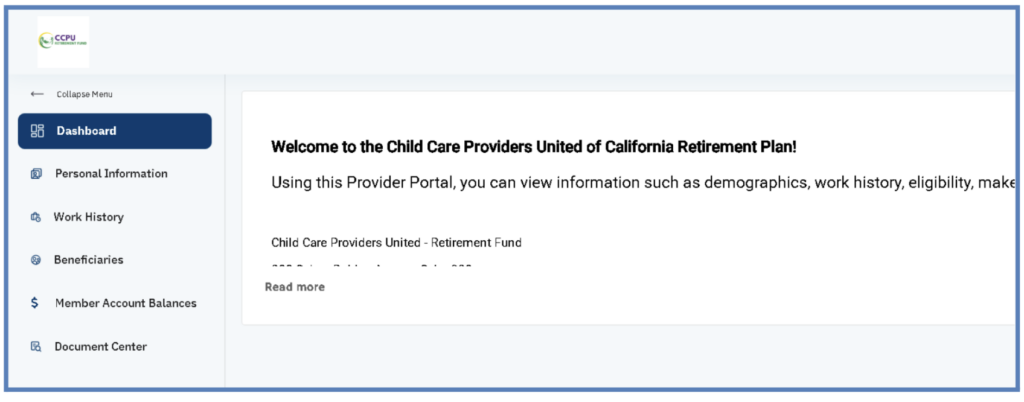
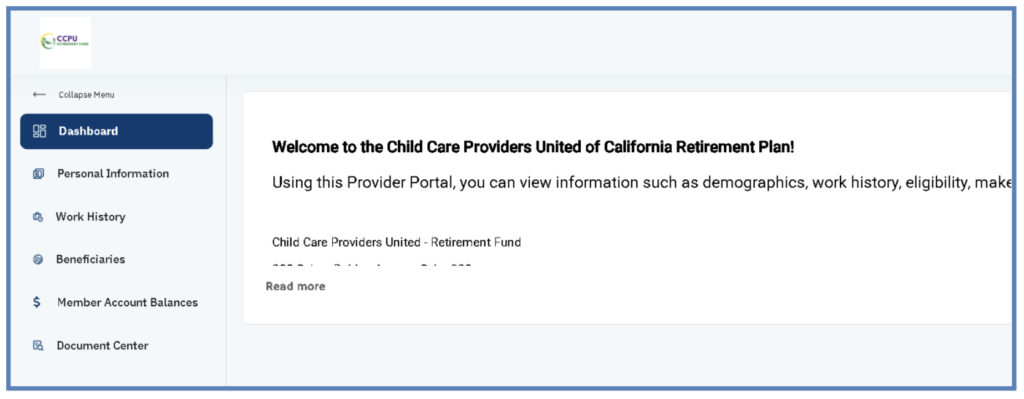
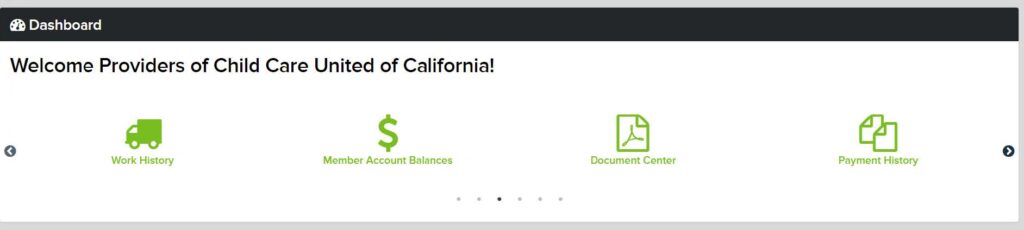
Enter the access code you received in your email to access the Dashboard screen

If you have any questions, or would like assistance registering your portal, call our CCPU Provider Resource Center at (888) 583-CCPU (2278) or PRC@ccpuca.org.

Info Sessions Recordings:

July 9 CCPU Retirement Fund Info Session

July 18 CCPU Retirement Fund Info Session

Frequently Asked Questions

Find answers to common questions in the FAQ section below.

Are the benefits from the Retirement Plan taxable income to me?

The State contributions to your Retirement Plan account are not taxable to you until you receive a distribution. There may be distributions options to defer those taxes.

When can I sign up for the Retirement Fund and where can I learn more?

Eligible providers are automatically enrolled in the retirement fund. However, the administrator, Zenith American Solutions, will ask eligible providers to update necessary information. It is important to provide this information so that your records are accurate, and to avoid delays accessing your account.


If you believe you are eligible, but have not received this mail, you may contact the CCPU Provider Resource Center for assistance at (888) 583-CCPU (2278) or PRC@ccpuca.org.

Have more questions?

If you have additional questions, you can call the CCPU Provider Resource Center at 888-583-CCPU (2278) from 9am to 5pm Monday-Friday or email at PRC@ccpuca.org.

WHAT – What benefits does the Retirement Fund expect to offer providers?

Expand the Retirement Fund Benefits Table to see benefits.

 Plan Rules
Eligible participants*

You are eligible to participate in the Retirement Plan for a 2024 contribution if you are:

  • A licensed child care provider
  • Who has been paid 6 or more months of child subsidy in the 2023 calendar year (can be non-consecutive months).
Eligibility for benefit credit for contributions in 2024*You will earn your full service credits for 2023 if you were paid for ten or more months of child subsidy in 2023. If you were paid for 6 or more months of child subsidy, you will receive 60% of your service credits, 70% for 7 months, 80% for 8 months and 90% for 9 months. You will not earn any service credit if you were paid for less than 6 months.
ContributionsThe only contributions to the Retirement Plan will be paid from funding won through the CCPU collective bargaining agreement. The Plan does not accept contributions from you.
Amount of annual employer contributions for 2024 service allocable to participants in 2025*You will earn one full service credit for the State contribution on your behalf in 2025 if you were paid for ten or more months of child subsidy in 2024. If you were paid for 6 to 9 months in 2024, you will receive a pro-rated service credit. You will not earn any service credit if you were paid for less than 6 months in 2024.
VestingYou are “vested” in any contribution correctly made to your account. You do not need to work a minimum number of years before 2024 to be entitled to a benefit.
Distribution events

You can elect to receive your account when:

  • You stop all work as a licensed provider paid for state subsidized child care for 9 consecutive months at any age (“terminate from service”);
  • You stop all work as a licensed provider paid for state subsidized child care for 3 consecutive months at age 60 or older (“retirement”); or
  • You attain age 73, which is the age you are required to start receiving payments, unless you are still working.
Forms of distributions

If you are age 60 or older and stop all work as a licensed provider for 3 consecutive months and elect to retire, you can choose to receive your account balance as:

  • One lump-sum payment
  • Approximately equal monthly payments for 5 years
  • Approximately equal monthly payments for 10 years

If you are younger than age 60 and stop all work as a licensed provider for 9 consecutive months, you can only elect to receive your account as one lump-sum payment.

Death benefitsSince your account is 100% vested, you can designate a beneficiary (or multiple beneficiaries) to receive your account balance if you die before you receive it.
InvestmentsThe Board of Trustees will manage how the Retirement Plan is invested on your behalf, with the assistance of investment professionals.

*Special rules apply to providers where more than one provider is on the payment record.

who

Who is eligible for the Retirement Fund benefits?

State contributions to the Retirement Plan are tied to the child care subsidy program. To be eligible for retirement benefits in 2024, you must be a licensed provider who has have been paid for work with a subsidized child in at least 6 months in 2023-these months do not need to be consecutive. License exempt providers are not eligible; however, if you become licensed in a year, your work in that year may count for eligibility.

when

When will the benefits be available?

Contributions to the Retirement Plan are tied to the child care subsidy program. To be eligible for retirement benefits in 2024, you must be a licensed provider who has have been paid for work with a subsidized child in at least 6 months in 2023-these months do not need to be consecutive. License exempt providers are not eligible; however, if you become licensed in a year, your work in that year may count for eligibility.

how

How can I get help enrolling?

If you are eligible, the Plan will automatically enroll you based on data received by the State of California. You should immediately update your information with the Plan so it has has all of your current information and you receive credit for your years of licensed work.